
The Future of Minimalist Design: From 'Less is More' to 'Less but Better'
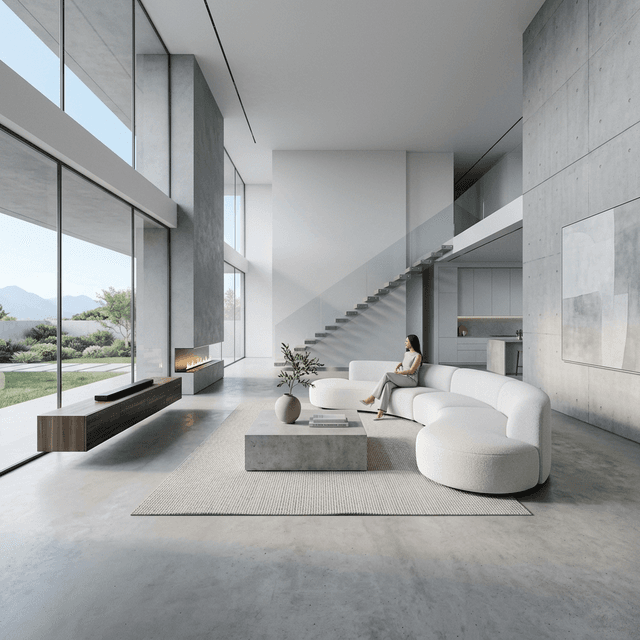
Minimalism has long been a cornerstone of modern design, but its definition is undergoing a profound transformation. What once started as a rebellion against the clutter of the early 2000s web has now blossomed into a sophisticated philosophy categorized not by what is missing, but by what is purposefully present.
As we look toward 2025 and 2026, minimalism is no longer just an aesthetic choice; it is a strategic approach to lowering cognitive load, enhancing accessibility, and driving higher conversion rates. In this expert guide, we explore the future of minimalist design and how it is shaping the next generation of digital experiences.
1. The Evolution of Minimalism: From Aesthetic to Intentional
In the early days of "flat design," minimalism often felt static and cold. The goal was to remove shadows, gradients, and textures to create a "clean" look. However, the future of minimalism is shifting toward Intentional Simplicity.
Every pixel, button, and line must now earn its place. Instead of merely removing elements, designers are focusing on functional clarity. If a design element doesn't contribute directly to a user's goal, it is considered noise. This shift ensures that minimalist interfaces aren't just empty—they are highly efficient tools.
2. Typography as the New Focal Point
With the removal of decorative elements, typography has stepped into the spotlight. The future of minimalist design relies heavily on strong, expressive typography that does the heavy lifting for brand identity and information hierarchy.
The Rise of Variable Fonts
Variable fonts allow for a single font file to behave like many, offering infinite variations in weight, width, and slant. This allows designers to create depth and emphasis through text alone, reducing the need for heavy images that slow down page performance. In the future, we will see larger-than-life headings paired with generous white space to create a "digital editorial" feel.
3. High-Performance Design & SEO
Google's emphasis on Core Web Vitals has made minimalism a technical necessity. Minimalist designs are inherently lighter, leading to:
- Faster Load Times: Fewer HTTP requests and optimized assets.
- Improved Mobile Indexing: Clean layouts adapt more seamlessly to varied screen sizes.
- Reduced Bounce Rates: Users are less likely to leave a page that loads instantly and provides clear paths to information.
For any blogger or business seeking Google AdSense approval and high SEO rankings, a minimalist approach is the most direct path to technical excellence.
4. AI-Driven Minimalist Personalization
Artificial Intelligence is the invisible hand behind the future of minimalist UI. By processing complexity on the backend, AI allows the frontend to remain strikingly simple.
Imagine an interface that knows exactly what tool you need at a specific time and hides the rest. This "Adaptive UI" ensures the user only sees what is relevant to their current task, effectively reducing the "overload" often found in feature-heavy applications. This is the ultimate goal of modern minimalism: hyper-personalization without the clutter.
5. Meaningful Micro-interactions and Subtle Depth
While "Flat 1.0" was entirely two-dimensional, "Modern Minimalism" (sometimes called New Minimalism) embraces subtle depth. This includes:
- Glassmorphism: Using frosted-glass effects to maintain context while keeping the interface light.
- Liquid Glass: Restrained 3D elements that add a premium feel without overwhelming the senses.
- Micro-interactions: Small, purposeful animations that provide feedback. A subtle button press or a smooth transition guides the user without adding visual noise.
6. Accessibility as a Non-Negotiable Standard
The future of design is inclusive. Minimalism naturally supports accessibility by:
- Maximizing Contrast: High-contrast ratios between text and background are easier to achieve in clean designs.
- Simplifying Navigation: Reducing the number of choices prevents "paradox of choice" and helps screen readers navigate content faster.
- Supporting Dark Mode: Minimalist structures are the perfect foundation for high-quality dark mode implementations, which are essential for users with light sensitivities.
Practical Tips for Implementing Future Minimalism
If you're a designer or developer aiming for a state-of-the-art minimalist look, keep these rules in mind:
- Embrace Negative Space: Don't fear the "empty" areas. White space is active; it breathes life into your content and guides the eye.
- Focus on Hiekarchy: Use size and weight (typography) rather than color or boxes to separate sections.
- Optimize for Animation: Use motion to explain functionality, not as decoration.
- Audit Your Content: Regularly review your pages. If an element isn't used by at least 80% of your visitors, consider hiding it in a menu or removing it entirely.
Conclusion: The Future is Focused
The future of minimalist design isn't about absence—it's about presence. By removing the superfluous, we amplify the significant. As digital interfaces become more integrated into our lives through voice, gesture, and AI, the need for clean, breathable, and intentional design will only grow.
Minimalism is no longer a trend; it is the fundamental standard for a user-centric, high-performance, and accessible web.
Ready to build your next project? Start with a clean slate and focus on what truly matters.