
The Dutch Approach to Sexual Education: Lessons in Pragmatism and Trust
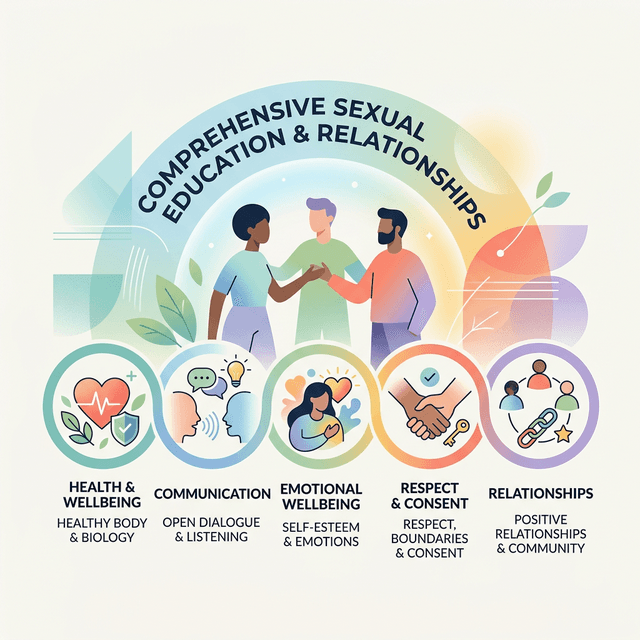
In many parts of the world, particularly in North America and parts of Asia, discussions surrounding human sexuality are often treated as a "necessary evil" or a taboo subject to be avoided until the last possible moment. In these cultures, sexuality is frequently used to market everything from perfume to cars, yet genuine, empathetic conversations about it are sidelined.
In sharp contrast, the Netherlands has developed what sociologists call one of the most effective and healthy frameworks for sexual education in history. By leaning into a cultural trait known as nuchterheid (soberness or pragmatism), the Dutch have managed to achieve a "Paradox of Openness": The more openly they talk about sex, the less problematic it becomes.
In this article, we’ll explore the pillars of the Dutch approach and what parents and educators globally can learn from this model of trust and education.
1. "Nuchterheid": The Power of the Matter-of-Fact
The Dutch don't view sex as a "scary mystery" or a "shameful secret." Instead, they treat it like any other biological and social function—like eating healthy or riding a bike.
This nuchterheid starts early. In Dutch primary schools, children participate in the Week van de Lentekriebels (Week of Spring Fever). This isn't about biology alone; it's about boundaries, consent, respect, and body positivity. By normalizing the vocabulary of the body before puberty hits, the Dutch remove the "shock factor" that often leads to risky behavior later in life.
2. The "Dutch Paradox": Openness Leads to Later Activity
A common fear among critics of comprehensive sex education is that "if you talk about it, they’ll do it."
The data from the Netherlands proves the exact opposite. Dutch teenagers typically have their first sexual experiences later than their counterparts in the US or UK. Why? Broadly speaking, when the "forbidden fruit" factor is removed, the pressure to "prove adulthood" through sexual activity is greatly diminished.
Because they are educated on the emotional complexities of relationships—not just the mechanics of reproduction—Dutch youth often wait until they feel emotionally ready and are in a stable, respectful relationship.
3. Communication vs. Confrontation: The Role of the Home
In the Netherlands, the home is seen as a "safe harbor" for discussion. It is not uncommon for older teenagers in serious relationships to be allowed to have their partners stay overnight.
While this may sound radical to other cultures, the Dutch logic is purely pragmatic: Would you rather your child be in a safe, known environment where you can ensure they have access to protection, or in the back of a car or at an unsupervised party where pressure and alcohol might lead to poor decisions?
By moving these interactions "into the light," parents maintain a line of communication and trust that would otherwise be severed by secrecy and shame.
4. Normalizing the Conversation Around Contraception
In many cultures, the burden of seeking out contraception is placed entirely on the teenager, often accompanied by a sense of guilt. In the Dutch model, it is often viewed as a joint parental and societal responsibility.
Access to contraception is straightforward, confidential, and normalized. This has resulted in the Netherlands having some of the lowest rates of teen pregnancy and abortion in the world. It turns out that when you provide young people with the tools to be responsible, they actually end up being responsible.
5. Lessons for the Modern Parent: Three Key Takeaways
If you want to adopt a more "Dutch" approach to these conversations, consider these strategies:
- Start Early and Incrementally: Don't wait for "The Talk." Have a hundred small conversations over a decade.
- Focus on Relationships, Not Just Biology: Talk about what a healthy, respectful relationship looks like. Discuss digital consent and the impact of the internet on self-image.
- Replace Shame with Logic: When your child asks a question, answer it with the same calm, factual tone you’d use to explain how a car engine works or why it’s important to eat vegetables.
Conclusion: Trust is the Ultimate Shield
The Dutch approach isn't about "permissiveness"; it's about empowerment. By providing young people with accurate information and a non-judgmental space to discuss their feelings, the Netherlands has created a generation of adults who view sexuality as a healthy, integrated part of life rather than a source of anxiety.
In a world that is increasingly complex and digitally saturated, perhaps a little more nuchterheid is exactly what our children need.
Is honesty always the best policy when it comes to education? How do you handle the balance between protection and empowerment in your own home?